
Protecting Bees. Preserving Life.
Honeybees are vital to nature, ensuring life flourishes through pollination. They support food security, maintain biodiversity, and sustain healthy ecosystems, making them indispensable for the balance and well-being of our environment and all living beings.
Who We Are
We are a nature-focused awareness initiative dedicated to protecting honeybees and promoting their vital role in sustaining life on Earth.
Our mission is to educate people about the importance of bees, encourage bee-friendly practices, and support a healthier ecosystem for future generations.
“मधुमक्षिकाः प्रकृतौ परं सेवां प्रयच्छन्ति।”
Honeybees render the highest service to nature.
What Are Bees?
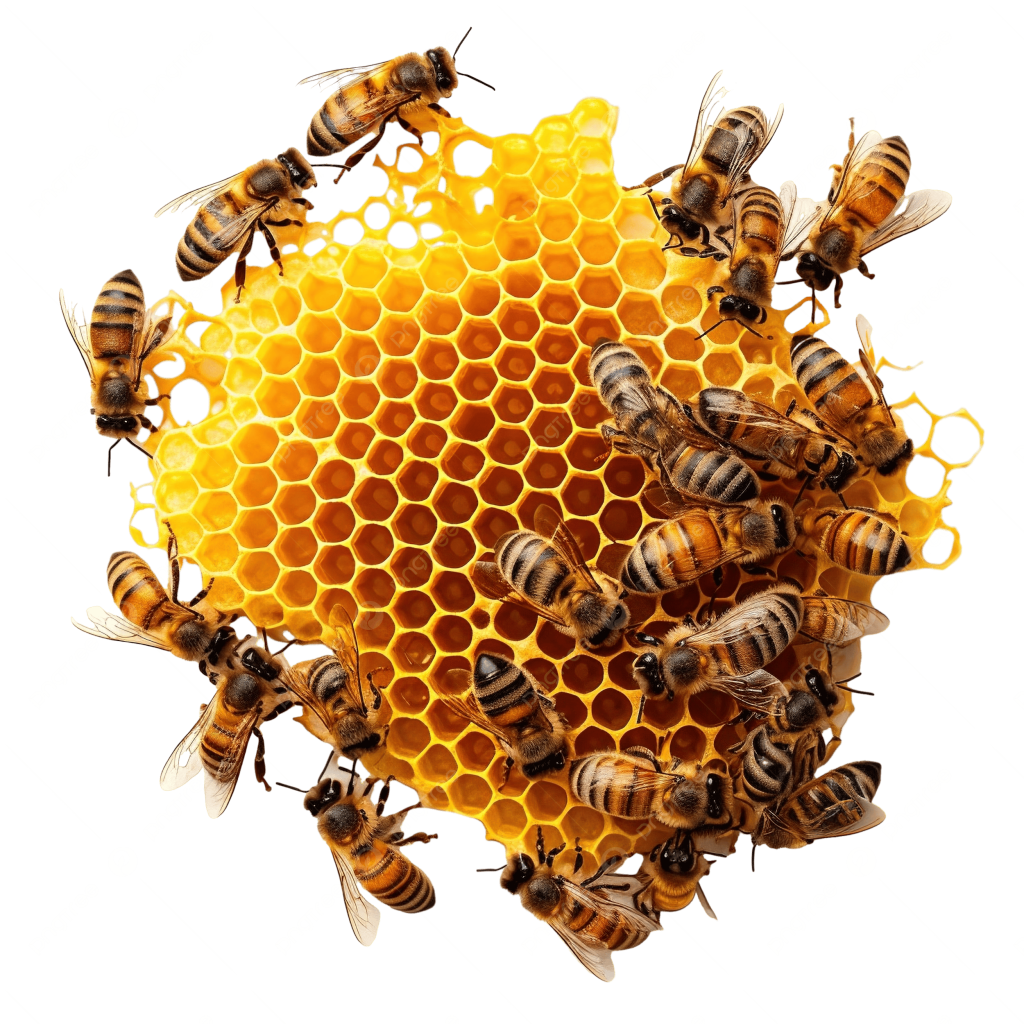
Bees are small flying insects belonging to the order Hymenoptera, a group that also includes wasps and ants. In Sanskrit, bees are known as Madhumaksika, while their Latin name is Apis. They have uniquely hairy bodies, which allow them to collect and carry pollen efficiently as they move from flower to flower in search of nectar. Bees come in various colours and species, each adapted to different environments.
These tiny creatures play a vital role in plant reproduction through the process of pollination. By transferring pollen between flowers, bees help plants produce fruits, seeds, and new plants. This process supports agricultural crops, wild plants, and overall ecosystem balance. Healthy bee populations ensure biodiversity, food security, and the survival of many animal species that depend on plants for food and shelter.
Why Bees Matter
Bees are essential for food production and environmental health.
Nearly 75% of flowering plants and 35% of global food crops depend on pollinators like bees.
Without bees, biodiversity and food security would be in serious danger.
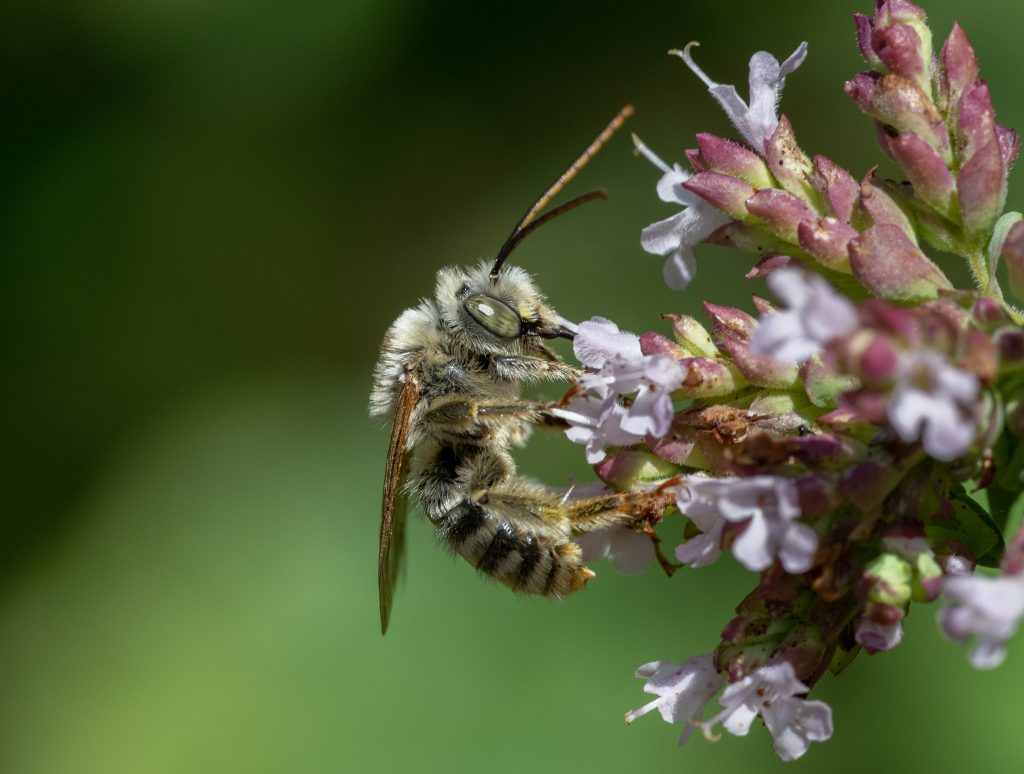
How Bees Support Life
Pollination of crops, fruits, nuts, and wild plants
Increased food production and crop quality
Support for biodiversity and wildlife
Livelihoods for farmers and beekeepers
roduction of honey, beeswax, royal jelly, and propolis
Indicators of environmental health
Maintain ecological balance in nature
What Happens Without Bees?
Without bees, the natural process of pollination would severely decline, directly affecting the production of fruits, vegetables, nuts, and seeds. Many crops that rely on bees would struggle to reproduce, leading to lower agricultural yields and widespread food shortages. As food supply decreases, prices would rise, making nutritious food less affordable for many people. Farmers would face heavy losses, and global food systems—especially in agriculture-dependent regions—would become unstable, increasing the risk of hunger and malnutrition.
The disappearance of bees would also cause a serious loss of plant biodiversity. Wild plants that depend on bee pollination would gradually die out, affecting animals that rely on these plants for food and shelter. This would weaken entire ecosystems and disrupt natural food chains. Industries dependent on bee products such as honey, beeswax, and medicinal products would collapse, impacting millions of livelihoods. Over time, environmental imbalance could become irreversible, threatening the stability of life on Earth.
Why Bees Matter
Bees are essential for food production and environmental health.
Nearly 75% of flowering plants and 35% of global food crops depend on pollinators like bees.
Without bees, biodiversity and food security would be in serious danger.
Bee Diversity & Population
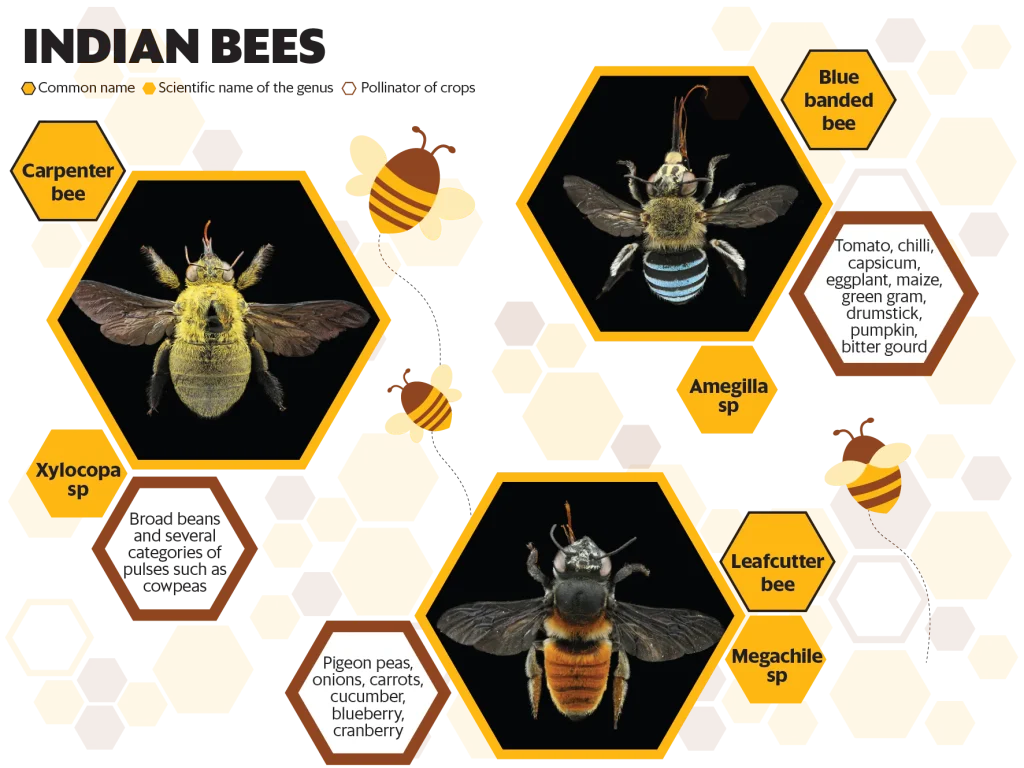
India is home to over 700 species of bees, including both wild and domesticated varieties, making it one of the richest regions in bee diversity. Major species found in the country include Apis cerana indica, Apis dorsata, Apis florea, Apis mellifera, and Trigona iridipennis, each playing a unique role in pollination and honey production.
Bees are crucial to Indian agriculture, as they help pollinate crops, fruits, and vegetables, improving both yield and quality. They also support biodiversity by maintaining healthy ecosystems and provide livelihoods to millions of rural families through beekeeping and honey production.
How You Can Help
Plant bee-friendly native flowers
Avoid pesticides and harmful chemicals
Provide clean water sources
Create safe habitats for bees
Support local beekeepers
Spread awareness and protect nature
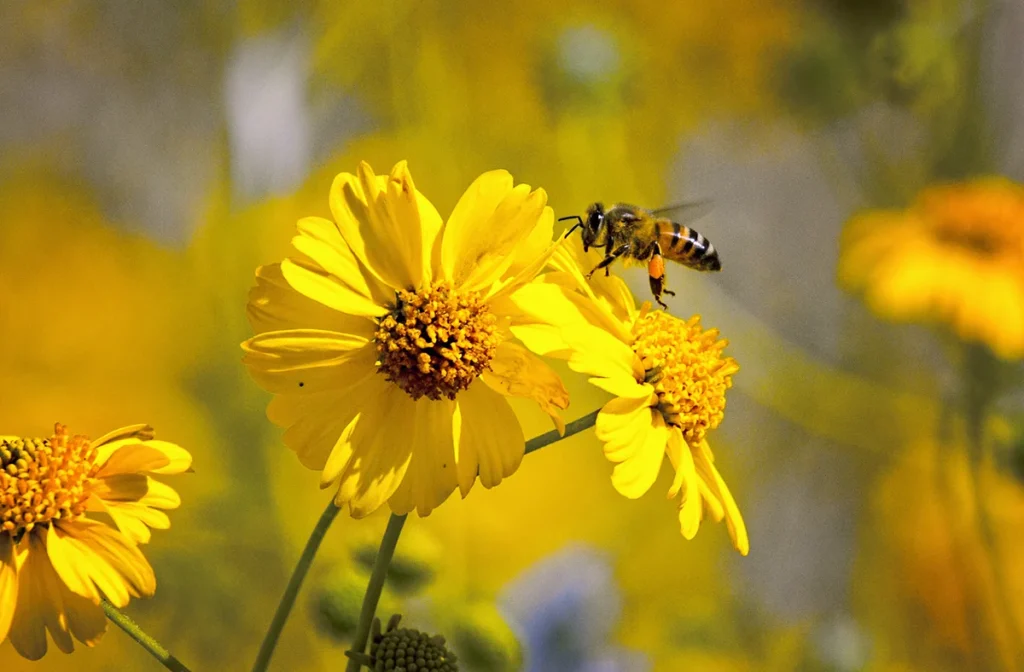
Support Sustainable Beekeeping
Frequently Asked Questions (FAQs)
Find answers to the most common questions about honeybees, their importance in nature, and how they support life on Earth. This section helps you understand why bees matter, the challenges they face, and how you can contribute to protecting them for a healthier and sustainable future.
Honeybees are essential because they pollinate flowering plants, crops, fruits, and vegetables. Pollination helps plants reproduce, supports biodiversity, and ensures food security for humans and wildlife. Without bees, many ecosystems would collapse.
Approximately 35% of global food crops and nearly 75% of flowering plants rely on pollinators like bees. This includes fruits, vegetables, nuts, oilseeds, and spices.
In Sanskrit, honeybees are known as “Madhumakṣikā” (मधुमक्षिका), which means “the insect that produces honey.”
Bees support human life by:
Pollinating food crops
Increasing crop yield and quality
Supporting farmers’ livelihoods
Producing honey, beeswax, royal jelly, and propolis
Maintaining ecological balance
If bees disappeared, pollination would drastically decline, leading to:
Severe food shortages
Loss of plant biodiversity
Higher food prices
Farmer income loss
Ecosystem imbalance
Over time, this could threaten global food security and life on Earth.
India is home to 700+ species of bees, including important species such as:
Apis cerana indica
Apis dorsata
Apis florea
Apis mellifera
Trigona iridipennis
These bees play a vital role in Indian agriculture and biodiversity.
Major threats to honeybees include:
Excessive pesticide use
Habitat destruction
Climate change
Pollution
Monoculture farming
Loss of flowering plants
Everyone can help bees by:
Planting native, bee-friendly flowers
Avoiding chemical pesticides
Providing clean water sources
Creating safe habitats
Supporting local beekeepers
Spreading awareness about bee conservation
Bee conservation ensures sustainable food production, environmental stability, and biodiversity. Protecting bees today means securing a healthier planet and safer future for coming generations.
BuzzOfLife works to:
Spread awareness about bee conservation
Educate people on the importance of bees
Promote bee-friendly practices
Support sustainable ecosystems and nature protection